.svg)
.svg)
.svg)


%202.svg)
What Happens to a Duro-Last Roof After It's Installed and After It's Done
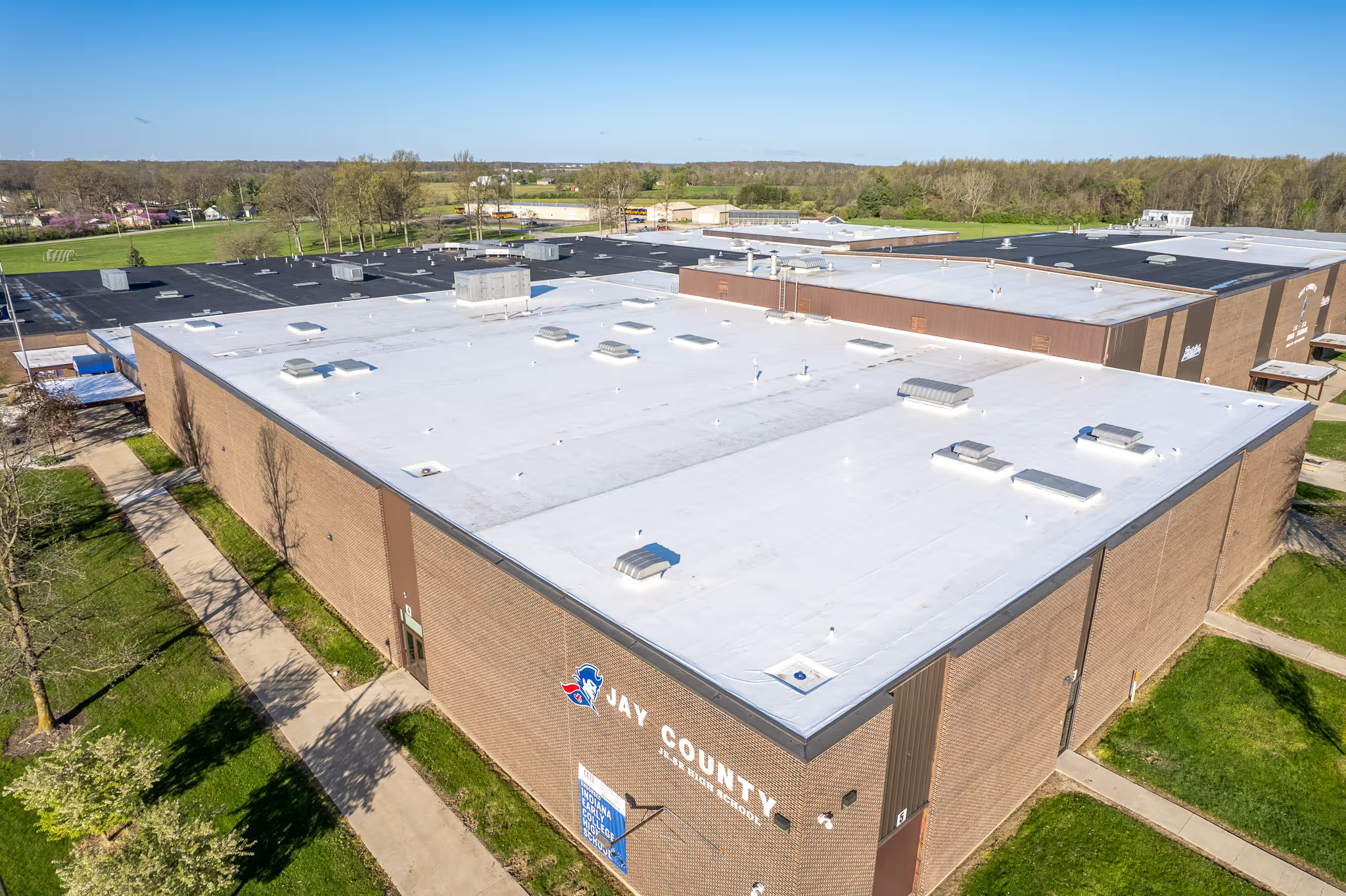
Most roofing conversations stop at installation. You pick a system, a contractor installs it, and the roof either performs or it doesn't. What happens between those two points and what happens at the end of the roof's life rarely comes up until it matters.
For Duro-Last, both of those chapters are worth understanding. The quality assurance process that runs after every installation is different from most roofing warranties, and the end-of-life story for PVC membrane is better than the industry average. If you're evaluating flat roof systems for a commercial property, this is the part of the conversation that usually gets skipped.
The Inspection That Happens Before the Warranty Is Issued
Most roofing warranties are issued based on paperwork the contractor submits documentation, the manufacturer approves it, the warranty is issued. Whether the installation was actually done correctly is largely assumed.
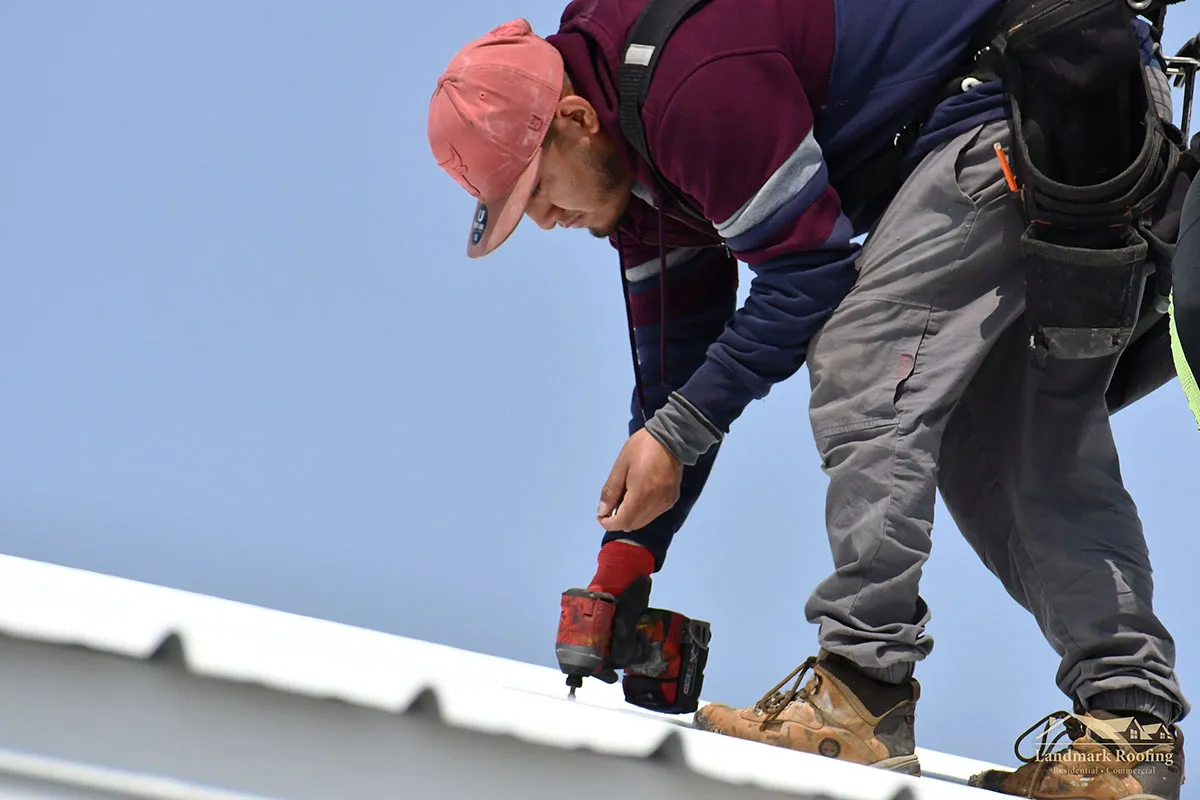
Duro-Last's quality assurance representatives perform a hands-and-knees inspection on every commercial installation before a warranty is issued. That means a Duro-Last technical rep physically walks the finished roof, checks seam welds, penetration flashings, edge terminations, and drain details up close not from the ground, not from a quick visual pass. The warranty doesn't get issued until that inspection passes.
For a property manager or building owner, this changes what the warranty actually means. A warranty backed by a mandatory third-party inspection of the finished installation is a different document than one issued on the honor system. If something was done incorrectly, the QA process catches it before you discover it through a leak two winters later.
The Sustainability Credentials What They Actually Mean
Duro-Last holds NSF/ANSI 347 certification, the leading consensus standard for evaluating sustainable attributes of single-ply roofing membranes across their full life cycle. The certification covers five key areas and is evaluated against established prerequisite requirements and quantifiable metrics.
Duro-Last was also the first manufacturer in the North American roofing industry to publish a product-specific PVC Environmental Product Declaration (EPD), a third-party verified document that reports the environmental impact data of the membrane from raw material extraction through manufacturing. For building owners pursuing LEED certification or working under green building codes, the EPD is a specification document that supports those credits.
The white membrane's reflectivity is part of that picture too. The white Duro-Last membrane complies with efficiency programs requiring a highly reflective roof under California Title 24, the USGBC's LEED rating system, the International Green Construction Code, and the Green Building Initiative's Green Globes. If a building is working toward any of those certifications, the membrane already qualifies.
What Happens to the Roof When It's Done
Roofing materials end up in landfills at a significant rate. Most building owners don't think about it at installation; they're thinking about the next 20 years, not what happens after. But for a building with a long ownership horizon, or an organization with sustainability commitments, the end-of-life question is relevant.
Duro-Last's membrane is up to 100% recyclable. Post-industrial scrap from the manufacturing process is recycled into new membrane, walkway pads, concrete expansion joints, and resilient flooring.
Duro-Last also offers a Roof Take Back program, which recycles manufacturing scrap and aged roofing materials into resilient flooring, walkway pads, and concrete expansion joints diverting material from landfills at both the production end and the replacement end. When a Duro-Last roof reaches the end of its service life, the membrane can be removed and recycled rather than torn off and hauled.
For a property that underwent a Duro-Last installation 20 years ago, replacement today means the old membrane has a path other than the dumpster.
The Prefabrication Sustainability Connection
There's a sustainability argument built into the manufacturing model that doesn't get discussed as much as the reflective surface or the recycling program. Because every Duro-Last system is custom-fabricated to the exact dimensions of a specific roof, prefabrication of the PVC roof membrane reduces the material waste associated with field cutting and trimming. A roll-good system installed in the field generates scrap at every cut around drains, curbs, penetrations, and edges. A prefabricated system ships with the cuts already made, and the waste stays at the factory where it gets recycled rather than going into a rooftop dumpster.
It's a less visible benefit than a certification number, but over a large installation it's a real difference in material sent to waste.
When These Details Matter to a Property Owner
Not every commercial property owner is pursuing LEED certification or has formal sustainability commitments that require third-party verified products. For most, the QA inspection process is the most immediately relevant part of this. It's a concrete reason to trust that the warranty behind a Duro-Last installation was earned rather than assumed.
The sustainability certifications and recyclability matter most to building owners with green building goals, institutional clients with environmental reporting requirements, or anyone evaluating systems for a long-hold asset where end-of-life costs are part of the calculation.
If any of that applies to your building, it's worth factoring into the system comparison. If it doesn't, the QA inspection process and the warranty structure are still worth understanding on their own terms.
Getting a Free Commercial Inspection
Landmark has offered free commercial roof inspections for over 10 years. We'll walk your roof, document what we find, and give you a straight read on what your building needs.

.avif)


