.svg)
.svg)
.svg)


%202.svg)
Storm Damage and Your Roof: What to Look For and How the Insurance Process Works
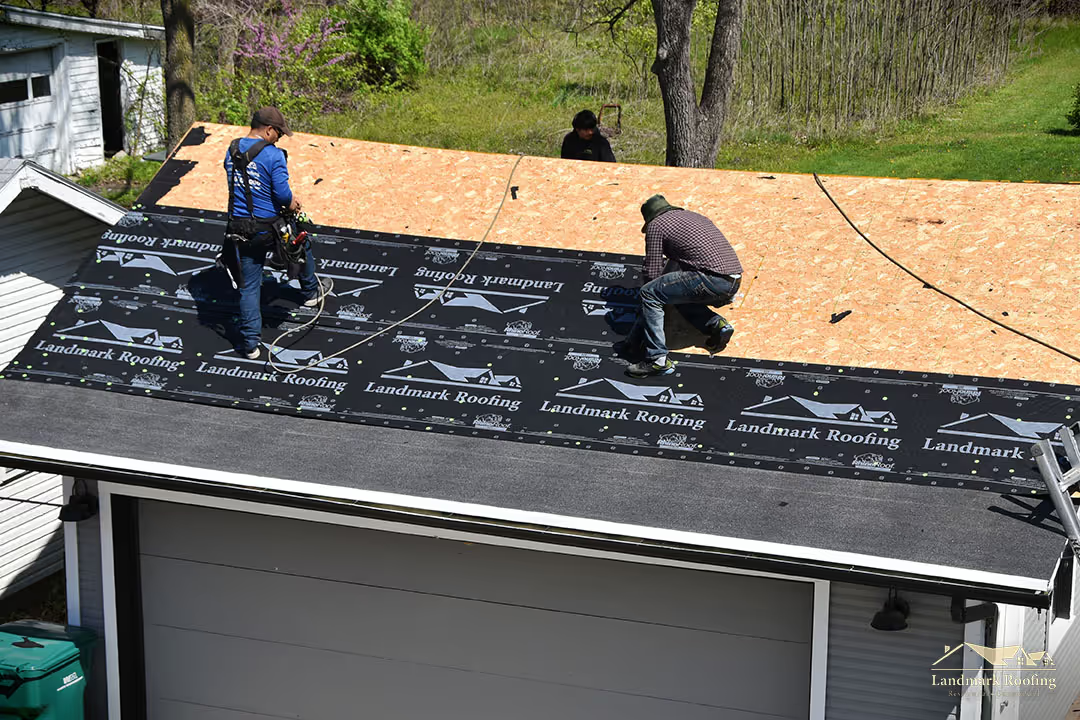
After a significant storm rolls through, the question most homeowners have isn't whether to call their insurance company, it's whether they have anything worth calling about. Getting on the roof to find out isn't a safe option for most people, and a lot of legitimate damage isn't visible from the driveway.
Here's how to read what you can see, when to bring in a professional, and what to expect from the insurance process if damage turns out to be there.
What You Can Check From the Ground
A ground-level walk around the house after a storm tells you more than most homeowners realize. You're looking for a few specific things.
Granules in the gutters are the clearest indicator of shingle surface damage. After a hailstorm, asphalt shingles shed granules at the impact points. Those granules wash off the roof and collect in gutters and downspout splash zones. A small amount of granule accumulation is normal on any aging roof. A noticeable dark, sandy deposit after a specific storm is a signal that shingles took hits hard enough to displace protective surface material.
Missing or visibly lifted shingles are obvious from the ground if they're on a visible roof plane. Wind damage often shows up at the corners and edges first, where shingles are most exposed. A tab that's curled up at the corner or a shingle that's shifted out of alignment is worth documenting with a phone photo from the ground.
Damaged gutters, dented vents, or marks on aluminum fascia are easier to spot than shingle damage and matter for two reasons: they confirm a storm was severe enough to cause impact damage, and they often support a broader insurance claim that includes the roof.
If a large tree branch came down on the roof, you already know you have damage. Document where it landed before it gets moved.
What You Can't Assess Yourself
Hail impact damage to shingles is the category most homeowners underestimate from ground level. The impact bruises the asphalt mat under the granule layer, leaving a soft spot that's invisible from 20 feet away and invisible to anyone who doesn't know what a fresh hail hit looks like up close. Most homeowners who walk away thinking their roof is fine after a hailstorm have no way of knowing whether that's true.
The threshold that most insurance carriers use for functional damage is hail at roughly one inch in diameter about the size of a quarter. Smaller stones can still strip granules and accelerate aging without creating the kind of impact bruising an adjuster will document. Whether your storm crossed that threshold, and whether your shingles show damage that meets your policy's definition of a covered loss, takes an experienced eye on the roof itself.
Flashing damage around chimneys, pipe boots, and skylights also requires a close inspection. A piece of flashing that lifted and re-laid looks undisturbed from the ground but may no longer be sealed against the next heavy rain.
When to Call a Professional Before You Call Your Insurer
If the storm produced quarter-size or larger hail, if you have granule accumulation in your gutters after the storm, or if your neighbors are getting their roofs inspected, it's worth having a professional walk your roof before you contact your insurer. Here's why.
An adjuster works for the insurance company. A contractor's inspection gives you an independent assessment of what's actually on your roof before the adjuster arrives. If damage is there, you'll know what to expect. If it isn't, you'll have avoided a claim that could affect your rates without producing a payout.
A written inspection report with photos also gives you documentation to present alongside the adjuster's findings. When a contractor's assessment and an adjuster's assessment align, the claim moves faster. When they don't, having your own documentation gives you something to point to.
Landmark offers free residential inspections after storm events. We'll walk the roof, document what we find, and give you a straight read on whether you have a claim worth pursuing.
How the Insurance Claim Process Actually Works
Filing a claim starts with a call to your insurer or a submission through their app or website. You'll describe the storm event and the damage you observed, and the insurer will schedule an adjuster to inspect the property. That appointment typically happens within one to three weeks after filing, though timelines stretch after widespread storm events when adjusters are managing a high volume of claims across a region.
The adjuster inspects the roof and documents their findings. Based on that inspection, they determine whether the damage meets your policy's definition of a covered loss and calculate the claim value. That calculation typically starts with the replacement cost value of the damaged materials, then applies your deductible and, if your policy includes it, a depreciation factor based on the age of the roof.
Actual cash value policies pay out replacement cost minus depreciation. A 15-year-old roof has depreciated significantly, and the initial payout on an ACV policy may be substantially less than the cost of replacement. Replacement cost value policies pay the full replacement cost after you complete repairs and submit the final invoice the depreciation amount is released as a supplemental payment. If you don't know which type of policy you have, this is worth checking before you file.
What a Contractor's Assessment Does for Your Claim
A certified roofing contractor who documents storm damage before the adjuster visits serves a specific function in the claims process. Their written report identifies damage by location and type, with photos taken at close range on the roof surface. If the adjuster misses an area or disagrees on scope, the contractor's documentation gives you a basis for a supplement or a re-inspection request.
This isn't about inflating a claim. It's about making sure the adjuster has complete information. Adjusters sometimes miss secondary damage: a pipe boot that's cracked, a valley with lifted flashing that's legitimate and covered but easy to overlook on a large roof. A contractor who walks with you through their findings before the adjuster arrives helps you know what to point to.
Not every storm produces a claim, and not every claim gets fully approved. A roof that's at the end of its design life, has pre-existing damage, or is below the storm's damage threshold may not produce a covered loss. A professional inspection tells you where you stand before you invest time in the claims process.
Getting a Free Post-Storm Inspection
If your home is in Indiana or Tennessee and you experienced significant storms this summer, a roof inspection is a practical first step before the busy fall season closes in on contractor schedules.
Landmark has offered free residential inspections for over 10 years. We'll walk the roof, document what we find, and give you an honest assessment of what the storm did and whether it's worth pursuing a claim.


.avif)


